
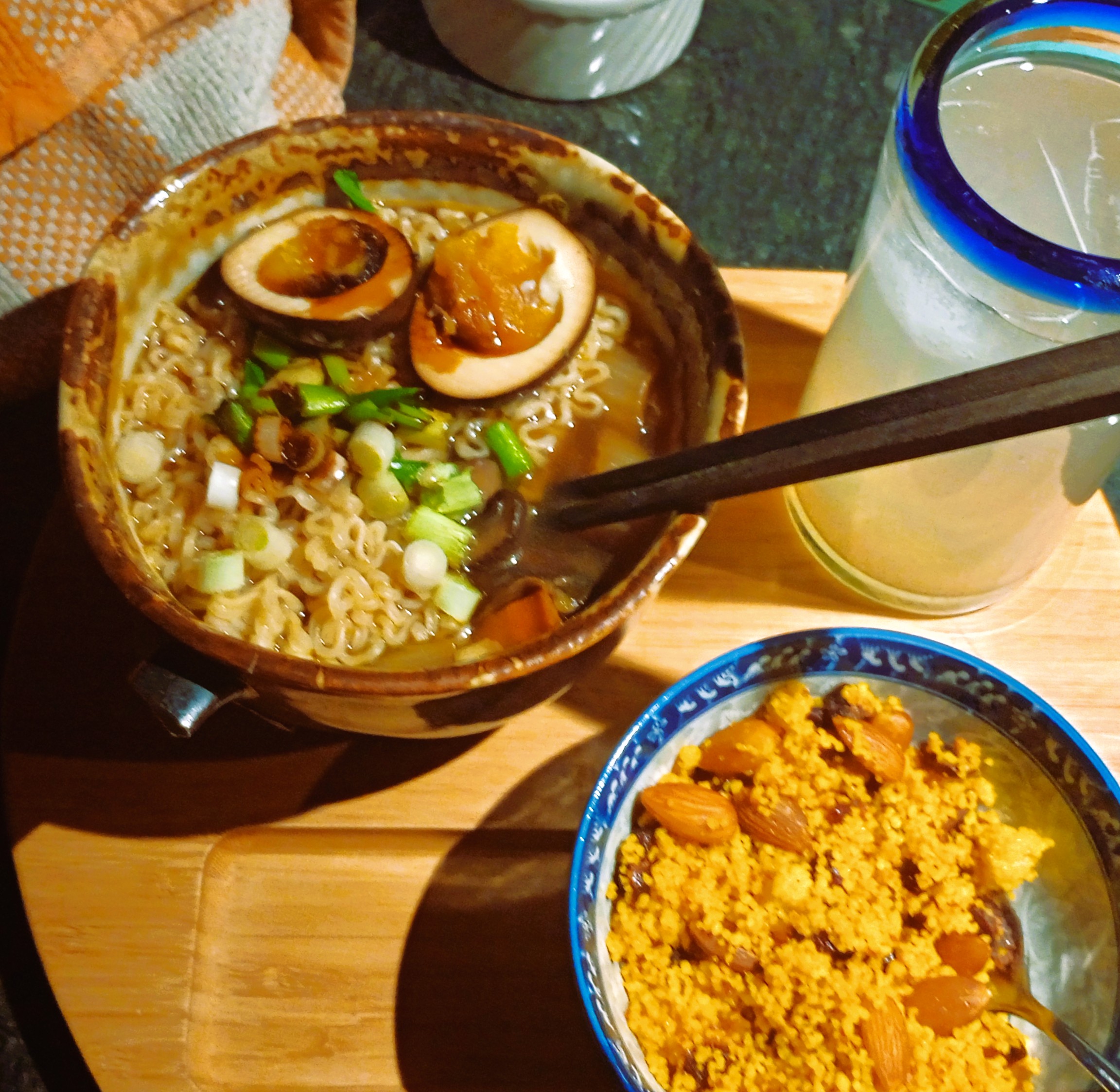
Eating is such a basic way to derive joy from life that we take it for granted. I know I did. Until recently I hadn’t thought much about what my favorite foods are. I knew I liked food, and when I was spending my way into $146K worth of debt I would eat without reserve. But while I was paying it back I was buying only the cheapest necessities, and taught myself how to budget, and live within my means (which is an invaluable lesson.) But I also taught myself to neglect what I enjoyed. I was so focused on paying back my debt that I assumed enjoyment was something that I would “indulge in” when I was debt free. Crazy I know. But I have a drive, intensity and executive function that is off the charts. Great when things need doing, but when it comes to turning off and enjoying life, it’s none of the buenos, as Jennie would say.
Now that I’m in a healthier place (financially and emotionally), I’m focusing on enjoying food over frugality. And part of that is knowing where to find my favorites and enjoying the process. I’m very lucky to have a friend who is extremely knowledgeable about not only the quality of ingredients, but also where their hiding. Thanks Joe : ) Let’s take a look at how my shopping habits have evolved from basic survival, to budget savvy gourmet. I’ll start with Ramen. Because it’s accessible, inexpensive and tasty.
Hunting & Gathering
For obvious reasons, ramen is known as the cheapest of cheap meals. “College grub.” But it’s also damn tasty if you know which toppings to use/you like. Because after all, it’s all about the toppings. I’ll show you what ingredients I usually garnish my noodles with, and where I find them.
Ramen Toppin’s
Let’s build a menu first so we know what we’re looking for. I mostly use sauces, oils, and vinegars in my ramen. Not your average soup accoutrements, but def delicious. I’ll list a meat option too, for all you meat eaters.
Before we get into toppings I want to emphasis that there is nothing wrong with cheap noodles. Brands like Top Ramen, or my favorite, Maruchan Instant Ramen noodles are ubiquitous for a reason. I’ve bought fancy noodles and it just felt wrong. Noodles are supposed to be cheap, filling, curly and long. I feel very strongly about this. That’s the draw. Ok, I’ll get off my soapbox. That being said, it’s your bowl, get what noodles look good to you. The great thing about food is you can spoil yourself a little and get the high end ingredients without dishing out too much money. I know I said I don’t like fancy noodles, but if I happen to run into one of these noodle masters, I wouldn’t turn down a bowl : )
And don’t worry if you don’t know what an ingredient is, I’ll explain the more esoteric ones below when I talk about the shopping list.
SAUCES, OILS & VINEGARS: Like I said, these take your ramen to the next level. I usually put a combo of a few of these guys in; mushroom soy sauce, sesame and/or toasted sesame oil, chili oil, mirin, rice vinegar and black vinegar.
PROTEIN & VEG: My usual toppings include: ajitama eggs are a staple in my bowl (don’t be intimidated by the name, if you can soft boil an egg you can make ajitama eggs.) If I’m feeling like a treat, teriyaki marinaded shiitake mushrooms are a good addition. Smoked tofu is my favorite, but you can press and flavor your tofu to your preferences. This is a recipe I’ve used in the past. It’s the sesame option from Nora Cooks website. 10 of 10, would recommend. And I’m not sure I’ve ever used dairy products, but butter is a common topping. Worth trying anyway. Like I said, I don’t eat meat. But if I did, it would be those delicious, little red Chinese sausages, Lap Cheong.
GARNISHES: Here are my go-to’s; pacific wakame seaweed flakes. These are the seaweed pieces that are floating in your miso soup. I like to eat mine crunchy though, so I add them last. And lastly, raw green onion and toasted sesame seeds round out my bowl. I’ve done pickled ginger and daikon radish, but the pickled daikon has an off smell, and taste to me (not as bad as duck, or century eggs… Give them a try for the experience, but don’t say I didn’t warn you.)
SIDES: I almost always have a side, and that side is usually rice. You can’t go wrong with Jasmin, but I’ve been making smoked basmati recently too, which is exceptionally tasty. If you’re interested in trying it, this would be a perfect opportunity to look for an Indian grocery store, and plan an Indian recipe night to add to your battery of specialty shops and recipes. Double win : ) I’ll do a post on Paneer Tiki Masala, one of my favorites.

The Shopping List
If you have none of these ingredients in your pantry, then pick four or five to start. If you bought every ingredient above in one trip, it would cost close to $100. That’s an expensive bowl of noodles. For our dinner I’ll pick the basics and three special, hard to find items which are, black vinegar, mushroom soy and lap cheong. The toppings I’m choosing are; mushroom soy sauce, mirin, black vinegar, green onion, bean sprouts, ajitama eggs and lap cheong or shiitake mushrooms depending on if you’re veg or not. They’re all pretty cheap at $6 or $7 a piece, so it shouldn’t break the bank.
The Run
So now that we have the list it’s time to find stores that have the ingredients we need. I live in a suburb of Boston so luckily I have a lot of options in the ethnic grocery isle. But before I knew which shops to go to, I had to do some research on where to find them. This is how I found mine, and a good place to start for you to find yours. The first step was to figure out which city in my immediate area is the largest and most diverse.
Lynn MA is the city that checks all of those boxes. They have a hugely diverse denizen, with lots of grocery options. I found Mekong Market while riding the bus from Wonderland when I worked in town (some of us call Boston “in town” when talking about being there.) It mostly caters to Asian foods, but they have other cuisines as well. And it’s next door to Market Basket. The best grocery store. Hands down. But a simple Google search should point you in the right direction if you have no idea where to look for a market. Type in “Asian Groceries (your location,) should yield some results. Yelp is a good resource also. Or, try the old google, ask a friend who likes to cook. Maybe it turns into a dinner party.
Now that we have the store and the ingredients, how do we plan our trip? We could go to your regular grocery first, and pick up what we can’t find at the specialty foods store afterwards. But why not go to the Asian market first. This way you can dip your toes in the water and spend some time checking out all the brands and products they have. Maybe something catches your eye and it becomes a pantry staple.
Without further ado, here’s our shopping list and where I get each item.
Specialty Items

Healthy Boy Mushroom Soy Sauce: This is the brand I usually get. It costs about $7 for a quart, and is a good value for the quality. It has a warm saltiness as opposed to soy bean soy sauce which, for whatever reason, I’ve never liked. It tastes like salt without the warm mouth feel. It’s weird to me.
Mekong Market, $7

Kong Yen, Black Vinegar: I don’t remember where I found this little gem, but it is a delight. It has a pungent yet smooth feel, and it’s not acidic. But you definitely know it’s vinegar. It has an aged taste and is warming, with a hint of spice.
Mekong Market, $7

Kam Yen Jan, Lap Cheong (Chinese Sausage): I remember these from my meat eating days. My family would go to China Town in Boston for Dim Sum on special occasions, and we’d get these little sausages. They’re savory with just a little bit of sweet. Kind of like BBQ without the smoke. These are definitely a specialty store item.
Mekong Market, $11
Common Toppings

Baycliff Co. Sushi Chef Mirin: This brand is pretty ubiquitous, and tasty. I shop at Market Basket (represent) and they cater to a largely diverse population. They have many items that are difficult to find at other grocers, and I’ve never been disappointed with this brand. And Baycliff Co. has a mirid other Asian, specifically Japanese, products that are equally as good.
Market Basket, $7
$32 so far, not bad. I won’t list where I get the green onions, mushrooms, eggs or bean sprouts because those are pretty standard fair for most stores. But if your grocer doesn’t have them, go to a new grocery store. And you can probably buy ajitama eggs already made at the Asian market, but you just bought all the ingredients to make them yourself. Why not edge a little farther from your comfort zone while you’re already so close to the deep end? And maybe the new market has an interesting, more appealing version of shiitake mushrooms. You never know until you look : )


Soups On!
Don’t worry if you don’t get all the ingredients. You can get them at another Asian market to add to you list of specialty food shops and impress your friends : ) Next post I’ll go through the steps on making the soup and its components. I was going to squeeze it into the last two paragraphs of this post, but I wanted to give it the time and attention it deserves. Because if this is your first ramen go ’round, you may need some guidance. No worries though, it’s not difficult. But if you’re skittish in the kitchen, it’s nice to have someone guide you through the steps : ) Just remember, it’s only ramen. Until next time, peace & thanks for reading : ) ⛰️🌙🍜


Leave a Reply